Low Tipalt Farm
Set in a stunning area of Northumberland National Park, our farm focuses on sustainability, wildlife and quality.
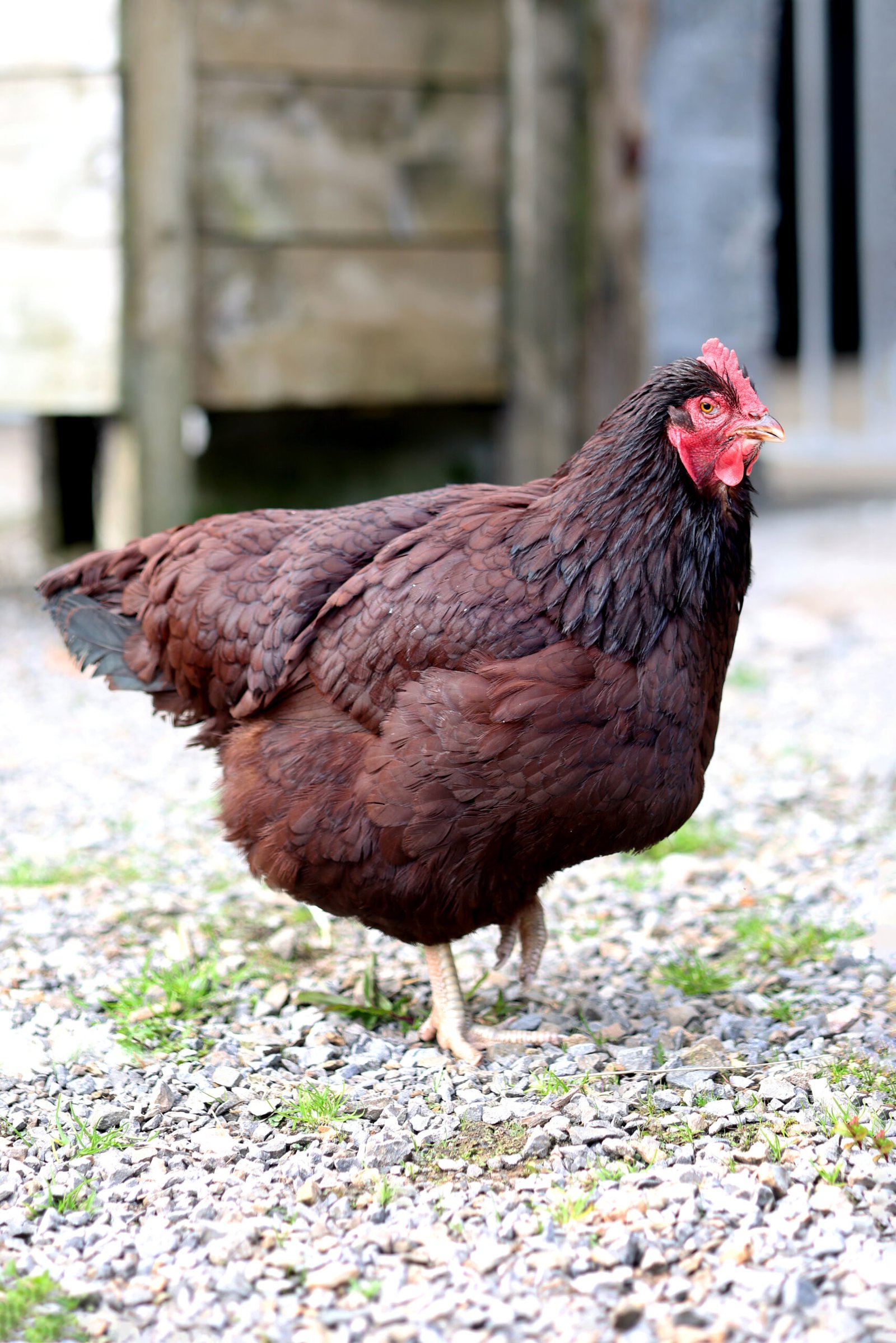
Wendy & Harry moved to Low Tipalt Farm in December 2025 with the philosophy of custodians of the land using sustainable Farming practice to benefit the environment ensuring that Low Tipalt continues to be a wildlife haven and home to our lovely farm animals including our herd of Belted Galloway rare breed British Cattle, Sheep, Hens, Horses and Farm Dogs.
With it’s rich peat grassland Low Tipalt produces high quality pasture for the Belted Galloway native Breed Cattle who are particularly good grazers of different grasses which is good for the cattle while increasing regeneration of wild grasses, which in turn benefits the environment.
In it’s unique historical landscape, Low Tipalt has a wealth of different experiences to explore.
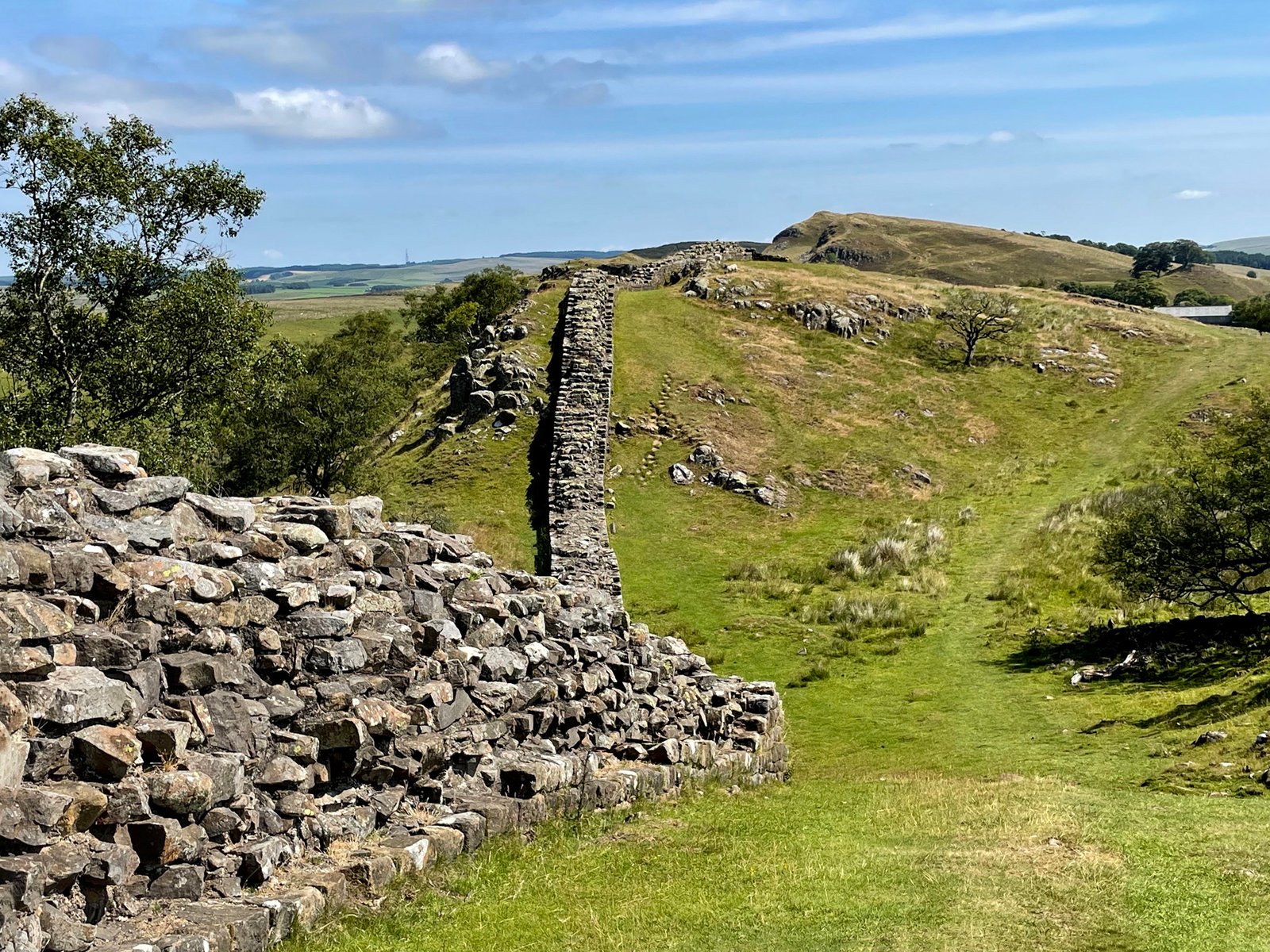
Unique Historical Landscape Surrounds
History, New habitats & geological interest
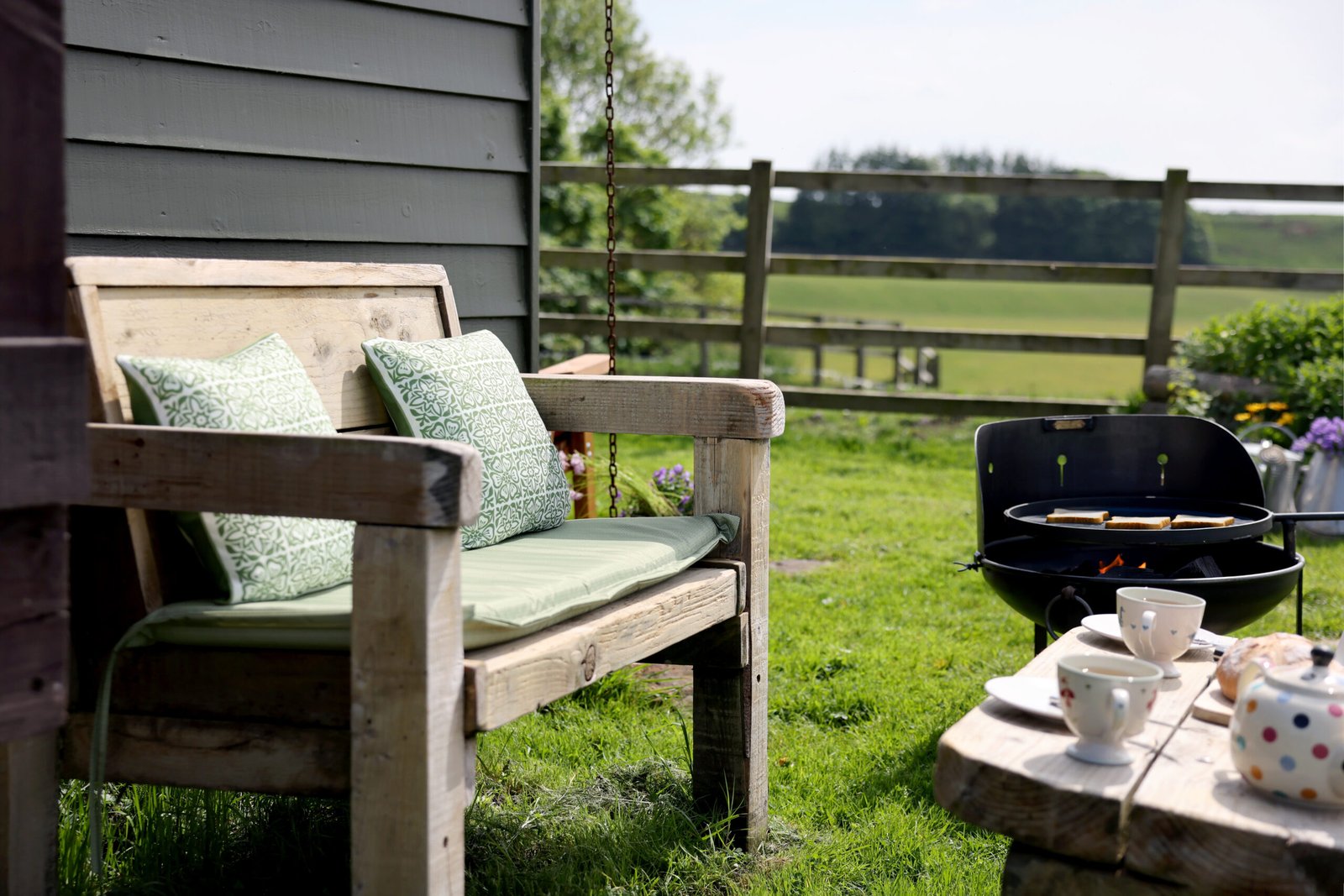
Home to Wagtail Shepherd’s Hut, Low Tipalt Farm in Northumberland offers incredible views, sustainable farming and endless history.
On our Northern boundary runs the Tipalt Burn, which over the past decade, with help from The Tyne Rivers Trust, is much healthier. This has gone hand in hand to improve the water quality and increase the population of fish.
Along the Burn is the SSSI (Site of special scientific interest) designated site. Because of the importance of geological interest, with amazing examples of rock formation dating back millions of years to the aquatic age, fossils can be found of crinoids and sea shells.
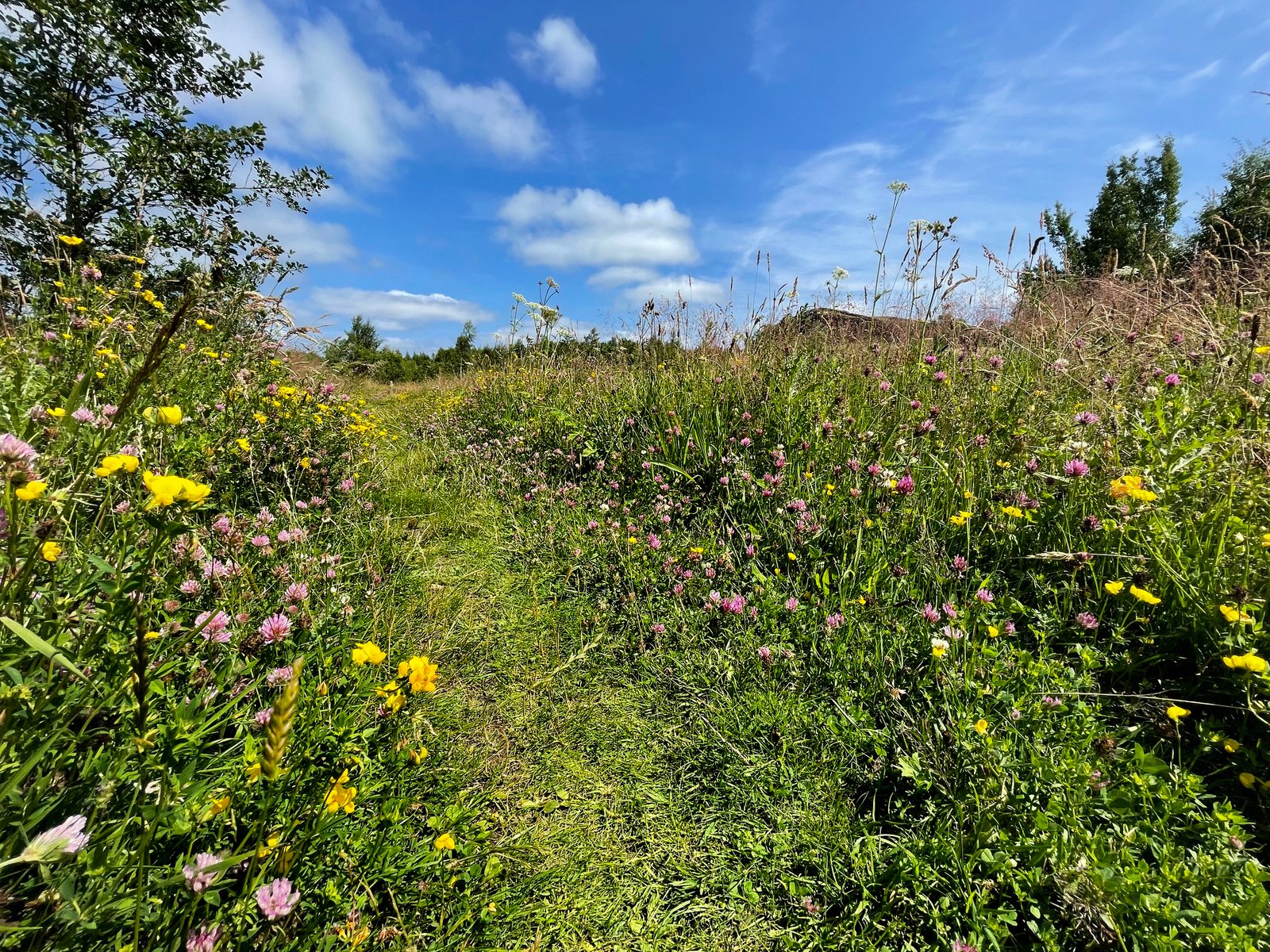
Alongside the cattle we are working hard on biodiversity, actively creating new habitats to this 100 acre plot. We are restoring grassland and have already sown 23 acres to wildflower meadows and have planted over a mile of indigenous hedgerows. We are developing our wetlands with leaky dams and scrapes which are ideal habitats for wading birds such as Curlew, Oyster Catchers and Snipe and the grassland encourages all types of ground nesting birds.